
Reducing Fiber Loss in Tissue Paper Making: Screening and Thickening Optimization
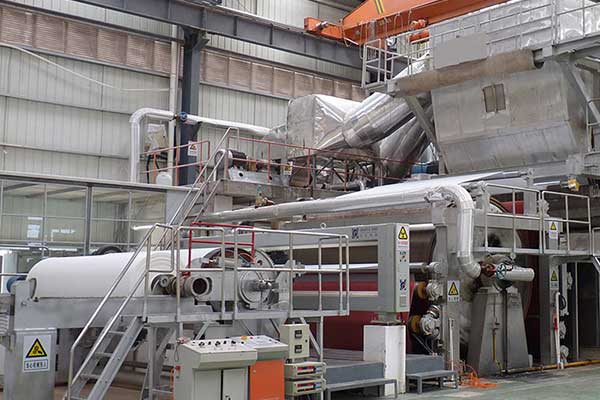
Fiber loss is one of the most persistent and costly issues in tissue paper making. Every percentage point of fiber that escapes with process water represents not just lost raw material, but also increased wastewater treatment load and higher freshwater consumption. In a typical tissue mill processing 100 metric tons of wastepaper per day, even a 2% fiber loss translates to 2 tons of usable fiber going down the drain every single day.
Where Fiber Loss Actually Happens
The primary culprits are inadequate screening and poor thickening performance. When the pressure screen’s basket has oversized slots or the rotor clearance is off, short fibers and fines that should be retained in the papermaking stock pass straight through. Similarly, an underperforming disc thickener or DAF unit can send fiber-rich water back to the whitewater system instead of recovering it for the sheet.
Key Equipment That Makes the Difference
At Leizhan, our approach to fiber recovery in tissue production centers on two workhorses: the ZNS series pressure screen and the ZNP series disc thickener. The ZNS pressure screen features slot sizes as fine as 0.15 mm with precision-machined screen baskets that maintain consistent aperture geometry even after months of operation. Paired with a correctly specified rotor profile, this screen achieves fiber rejection efficiencies above 95% for tissue-grade furnish.
The ZNP disc thickener uses a stacked-disc design that maximizes filtration area within a compact footprint. Inlet consistency of 0.8–1.2% is concentrated to 4–6% outlet consistency, with typical fiber recovery rates exceeding 97%. The filtrate clarity regularly measures below 80 ppm TSS — clean enough for safe reuse in the approach flow system.
Energy and Cost Implications
Better screening and thickening don’t just save fiber — they save energy. A well-tuned pressure screen consumes 3–5 kWh per ton of throughput when properly specified. Compare this to pushing undersized equipment beyond its design range, where energy consumption climbs nonlinearly while separation efficiency drops. Over a year of continuous operation, the difference can exceed $15,000 in electricity alone.
Maintenance Practices for Consistent Performance
Screen basket inspection should be part of every scheduled shutdown — look for slot deformation, localized wear patterns, and buildup of stickies or calcium scale. Rotor-to-basket clearance should be checked with feeler gauges at minimum four points around the circumference. For disc thickeners, monitor filtrate turbidity as an early indicator of media blinding or seal wear. A gradual increase from 60 ppm to 120 ppm suggests it’s time to schedule a cleaning cycle or replace worn filter fabrics.
The Bottom Line
Tissue mills that invest in properly engineered screening and thickening equipment typically see fiber losses drop from 3–5% to below 1.5%. Over a year, that’s tens of thousands of dollars in recovered raw material that would otherwise be lost. The equipment pays for itself — often within the first 12 months of operation.
For technical consultation on optimizing your tissue line’s screening and thickening stages, reach out to our engineering team.
Need Technical Support for Your Paper Mill?
Contact our engineering team for equipment selection, process optimization, or technical consultation. We provide complete stock preparation and paper making line solutions backed by deep process knowledge.
Email: leizhanzhang@gmail.com